Find a Store
 Order Traking


Construction projects across the UAE require proper planning, reliable equipment, and effective workplace safety practices. From high-rise buildings in Dubai to infrastructure and commercial projects in Abu Dhabi, protecting workers is essential for maintaining a safe and productive construction site. In 2026, construction companies must pay close attention to hazard prevention, appropriate personal protective equipment (PPE), worker training, and regular equipment inspections. Choosing the right construction safety equipment helps reduce exposure to workplace hazards and supports compliance with applicable UAE occupational health and safety requirements.
Whether you are a contractor, site supervisor, procurement manager, or construction company owner, understanding the essential safety products for your project is an important step towards creating a safer workplace.
Why Is Construction Safety Equipment Important?
Construction workers may face hazards such as falling objects, sharp materials, dust, excessive noise, moving machinery, electrical risks, and working at height. Without suitable protective measures, these hazards can result in serious injuries and health problems.
Construction safety equipment helps protect workers, improve hazard awareness, and support safer working practices. Employers should assess site-specific risks and provide suitable protective equipment for the tasks being performed.
The UAE government requires employers to provide a safe working environment and appropriate protective equipment. In Abu Dhabi, the applicable occupational safety and health framework also provides guidance on selecting and using PPE according to workplace risks.
1. Safety Helmets for Head Protection
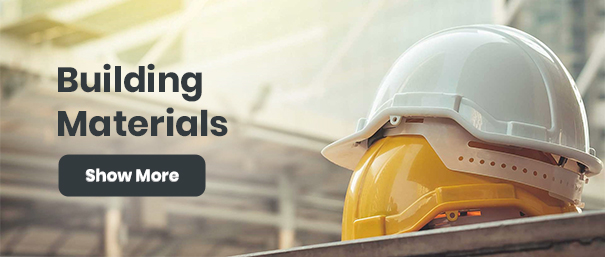
Safety helmets are essential on construction sites where workers may be exposed to falling objects, accidental impacts, or other head injuries.
Key features to consider:
- Suitable protection for the identified workplace hazards.
- A secure and adjustable fit.
- Compatibility with other protective equipment.
- Compliance with applicable safety standards.
- Regular inspection for damage, cracks, or deterioration.
Workers should select helmets appropriate to their specific tasks. Additional requirements may apply when working around electrical hazards.
2. Safety Shoes for Foot Protection
Construction workers frequently handle heavy materials, tools, and equipment. Safety footwear helps protect their feet from impact injuries, punctures, and slipping hazards.
Important features include:
- Protective toe caps where required by the risk assessment.
- Slip-resistant soles suitable for the work surface.
- Puncture-resistant protection where sharp objects are present.
- Durable construction for demanding site conditions.
- Comfortable fitting for extended working hours.
Contractors should choose footwear according to the hazards present, including wet surfaces, uneven ground, and material-handling activities.
3. Safety Gloves for Hand Protection
Hands are exposed to cuts, abrasion, rough surfaces, and contact with construction materials. The correct gloves can help reduce these risks.
Common options include:
- Cotton knitted gloves: Suitable for certain general handling tasks.
- Dotted grip gloves: Useful for handling materials where additional grip is required.
- Cut-resistant gloves: Appropriate for tasks involving sharp edges when selected for the specific risk.
- Chemical-resistant gloves: Required for certain chemicals, subject to compatibility with the substance.
- Specialised electrical-protection gloves: Used only for suitable electrical work and under the relevant procedures.
Gloves should be selected according to the task. Loose gloves can create additional hazards around rotating machinery, and ordinary work gloves are not a substitute for certified electrical protection.
4. High-Visibility Safety Vests and Clothing
High-visibility clothing helps workers remain visible around vehicles, machinery, loading areas, and road construction activities.
These garments are particularly useful on busy construction sites, during material deliveries, and in areas where workers and moving equipment operate close together.
What to look for:
- Fluorescent colours suitable for the environment.
- Reflective strips for improved visibility in low-light conditions.
- Appropriate sizing and comfortable fitting.
- Durable fabric and suitable visibility performance.
- Compliance with the applicable visibility standards for the task.
The selected garment should be suitable for the working environment and the level of visibility required.
5. Safety Goggles and Face Shields
Dust, flying particles, splashes, and fragments can cause eye and facial injuries during cutting, grinding, drilling, mixing, and other construction activities.
Safety goggles and face shields provide protection when selected for the specific hazard.
- Safety goggles: Help protect the eyes from dust, particles, and certain splashes.
- Safety glasses: Suitable for tasks requiring impact-rated eye protection, depending on the risk.
- Face shields: Provide additional facial protection during appropriate operations.
- Specialised eye protection: Required for particular activities such as welding.
A face shield may need to be worn together with suitable safety glasses or goggles rather than used as a replacement for eye protection.
6. Respiratory Protection Equipment
Construction work can expose workers to airborne dust, fumes, vapours, and other hazardous substances. Suitable respiratory protection may be required when engineering and other controls do not adequately control the exposure.
Depending on the hazard, options may include particulate-filtering respirators or specialised respiratory protection equipment.
Before selecting a respirator, employers should consider:
- The type and concentration of the airborne hazard.
- The appropriate filter or cartridge.
- Fit testing and correct fitting where required.
- Training, maintenance, and replacement schedules.
- Applicable exposure-control procedures.
Respirators should not replace effective dust suppression, ventilation, or other measures that control hazards at their source.
7. Full-Body Safety Harnesses and Fall Protection Equipment
Working at height is a major safety concern on construction projects. Workers on roofs, scaffolding, elevated platforms, and building structures may be exposed to fall hazards.
Suitable fall-protection equipment may include:
- Full-body safety harnesses.
- Compatible lanyards and connectors.
- Approved anchorage points.
- Suitable fall-arrest systems.
- Guardrails, safety nets, and other collective protection measures.
Fall protection must be planned for the work being performed. Equipment should be compatible, inspected before use, and used by trained workers in accordance with the relevant procedures.
Collective protection measures, such as guardrails and properly installed safety nets, should also be considered wherever appropriate. A harness alone does not make work at height safe.
8. Earplugs and Earmuffs for Hearing Protection
Construction activities involving concrete breakers, cutting machines, generators, and heavy equipment can expose workers to excessive noise.
Hearing protection helps reduce exposure when required by the workplace noise assessment.
Common options include:
- Disposable earplugs.
- Reusable earplugs.
- Protective earmuffs.
- Specialised hearing protection for particular working environments.
Employers should assess noise levels, prioritise noise reduction at the source, and select hearing protection that provides suitable attenuation while allowing workers to communicate safely.
9. First-Aid Kits for Construction Sites
First-aid kits are an important part of construction site emergency preparedness. They help trained personnel provide initial assistance while further medical support is arranged when necessary.
A site first-aid kit may include dressings, bandages, disposable gloves, wound-care supplies, and other suitable items based on the site’s needs.
Construction companies should ensure that:
- Kits are accessible and clearly identified.
- Contents are appropriate for site risks.
- Expired or used items are replaced.
- Trained first-aid personnel are available as required.
- Emergency contact details and procedures are communicated to workers.
The size and contents of the kit should reflect the number of workers, the nature of the work, and the applicable requirements.
10. Safety Barriers, Warning Mesh, and Signage
Construction sites need clear hazard identification and controlled access to potentially dangerous areas.
Safety barriers, warning mesh, cones, and signs can help identify restricted zones, guide pedestrian movement, and improve awareness of site hazards.
These products are useful around excavation areas, roadworks, material-storage zones, and temporary work areas.
When choosing site safety barriers and warning mesh, consider visibility, durability, installation requirements, weather exposure, and suitability for the intended application. Temporary warning products should not be treated as substitutes for engineered barriers or fall-protection systems where these are required.
11. Disposable Protective Clothing and Head Covers
Some construction, maintenance, cleaning, and industrial activities require protective clothing to reduce contact with dust, dirt, splashes, or certain contaminants.
Depending on the task, suitable items may include coveralls, isolation gowns, disposable head covers, and other protective garments.
Selection should consider the type of hazard, the material’s protective performance, comfort, and the correct method of disposal or cleaning. Disposable garments should only be used where they provide adequate protection for the intended task.
How to Choose the Right Construction Safety Equipment
Before purchasing safety products for a construction project, procurement teams and site supervisors should evaluate the following factors:
- Identify workplace hazards: Conduct a suitable risk assessment to determine the protection needed for each task.
- Check applicable standards: Verify that products meet the relevant UAE authority requirements and applicable product standards.
- Consider product quality: Review specifications, certification documents where applicable, and manufacturer information.
- Choose the correct size and fit: Protective equipment must fit the individual and work effectively with other PPE.
- Inspect and maintain equipment: Follow the manufacturer’s instructions for inspection, cleaning, storage, maintenance, and replacement.
- Train workers: Explain how to use, adjust, inspect, and care for protective equipment.
- Plan procurement in advance: Estimate quantities, delivery schedules, and replacement requirements to help maintain adequate site supplies.
Remember that PPE is only one part of an effective safety programme. Employers should prioritise eliminating hazards and implementing appropriate engineering and administrative controls before relying on personal protective equipment alone.
Construction Safety in the UAE: What Should Companies Know in 2026?
Construction companies should follow the occupational health and safety requirements applicable to their emirate, project, and type of work.
In Abu Dhabi, the Abu Dhabi Public Health Centre publishes occupational safety and health codes of practice, including guidance on personal protective equipment. In April 2026, Abu Dhabi City Municipality also highlighted fall prevention, safe anchorage, appropriate helmets and footwear, collective protection, and regular inspection of safety equipment during a construction-site campaign.
These measures reinforce the importance of selecting suitable equipment and implementing practical safety procedures rather than simply purchasing protective products.
Companies should consult the latest guidance issued by the relevant authority and project owner before finalising their safety requirements.
Where Can Contractors Source Construction Safety Equipment in the UAE?
Choosing a reliable building materials and safety equipment supplier can help contractors organise procurement and maintain supplies for their projects.
Alliance Mechanical Equipment L.L.C. supplies building materials, tools, and safety-related products for construction and industrial applications. Contractors and procurement teams can enquire about suitable products, specifications, packaging, and availability for their requirements.
Whether you are sourcing safety footwear, protective gloves, head covers, first-aid kits, warning mesh, or other site essentials, confirm the product specifications and suitability for your intended application before ordering.
Conclusion
Construction safety equipment plays an important role in protecting workers and supporting safe project operations across the UAE. From safety helmets and footwear to fall-protection systems, respiratory protection, first-aid supplies, and warning barriers, each product should be selected according to the hazards present on site.
In 2026, construction companies should combine suitable PPE with effective risk assessments, worker training, regular inspections, and compliance with applicable occupational health and safety requirements.
For building materials, tools, and safety equipment enquiries, contact Alliance Mechanical Equipment L.L.C. to discuss your construction project requirements.
FAQ
- What safety equipment is required on a UAE construction site?
Requirements depend on the work activity and identified hazards. Common equipment includes safety helmets, safety footwear, high-visibility clothing, gloves, eye protection, and task-specific respiratory, hearing, or fall-protection equipment.
- Why is PPE important in construction?
PPE helps reduce workers’ exposure to workplace hazards when selected and used correctly alongside other safety controls.
- Which safety shoes are suitable for construction workers?
Suitable safety shoes depend on site conditions and hazards. Contractors should consider impact protection, slip resistance, puncture resistance, fit, and the applicable product standards.
- What equipment is needed for working at height?
Depending on the task, equipment and protective measures may include guardrails, safety nets, full-body harnesses, compatible lanyards, suitable anchorages, and fall-arrest systems.
- How often should construction safety equipment be inspected?
Equipment should be checked before use where required, with formal inspections and maintenance performed according to the manufacturer’s instructions, applicable standards, and site procedures. Damaged or defective equipment should be taken out of service.
- How can contractors choose a construction safety equipment supplier in the UAE?
Check product specifications, applicable conformity documentation, availability, delivery arrangements, and whether the equipment meets the requirements of the intended task and project.
Protect your workforce. Plan ahead. Make construction safety a priority.