Find a Store
 Order Traking
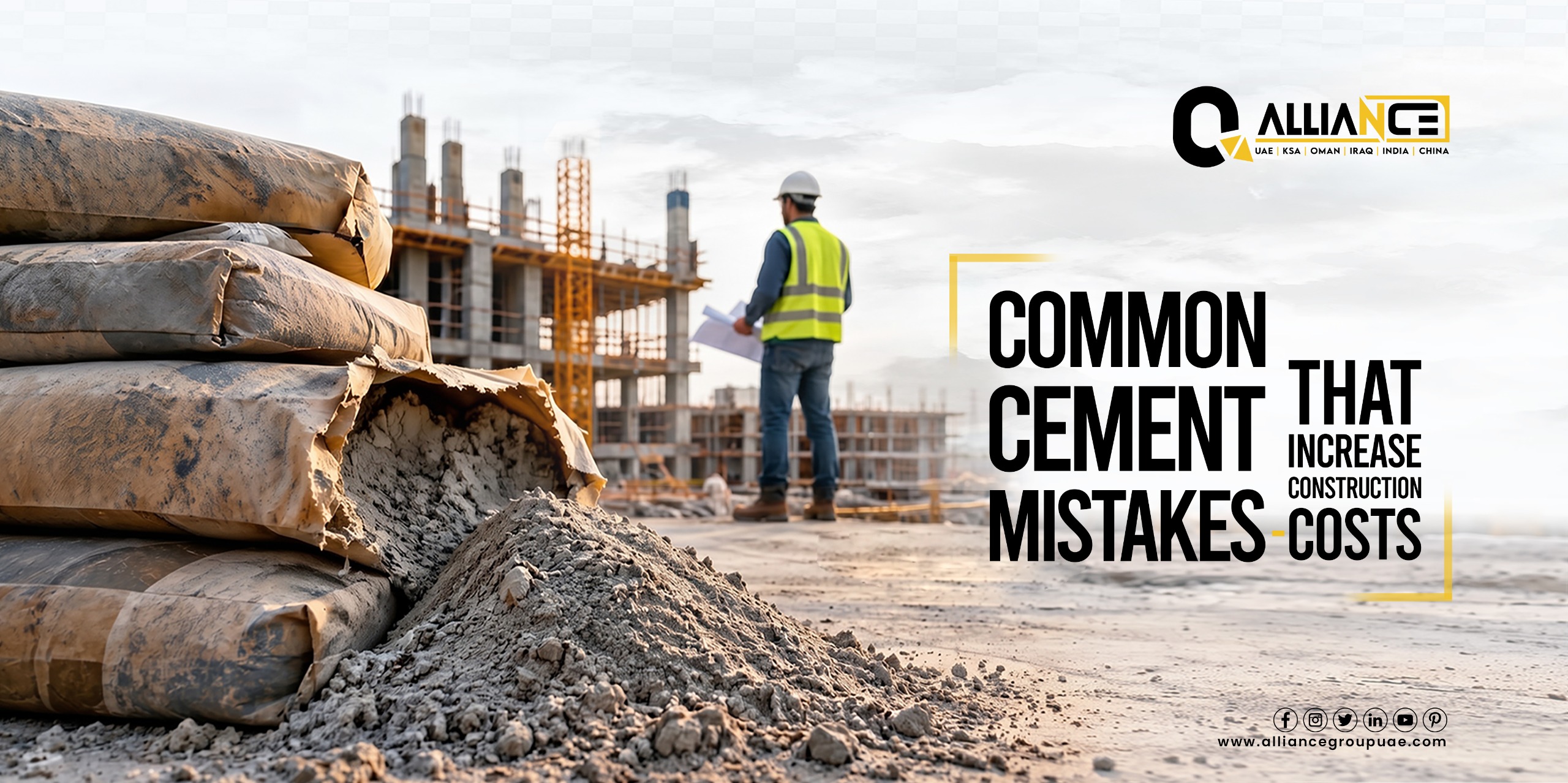
Cement is one of the most important materials in any construction project. Whether you’re building a house, commercial building, warehouse, or infrastructure project, the quality and handling of cement directly affect the strength, durability, and overall cost of construction. Unfortunately, many contractors, builders, and project owners make avoidable mistakes when working with cement. These mistakes can lead to structural issues, material wastage, project delays, and expensive repairs. In this article, we explore some of the most common cement mistakes that can significantly increase construction costs and how to avoid them.
-
Using the Wrong Type of Cement
Not all construction projects require the same type of cement. Using an unsuitable cement grade can affect the strength and performance of the structure. For example, projects exposed to moisture, chemicals, or harsh weather conditions may require specialized cement products. Choosing cement based only on price rather than application can lead to long-term maintenance and repair expenses.
Tip: Always select cement according to the project’s engineering requirements and environmental conditions.
-
Improper Cement Storage
Many construction sites lose valuable cement due to poor storage practices. Cement absorbs moisture quickly, which can reduce its effectiveness and strength. Common storage mistakes include:
- Storing cement directly on the ground
- Exposing bags to rain or humidity
- Keeping cement in open areas without protection
- Stacking bags incorrectly
Tip: Store cement in a dry, covered area and place bags on wooden pallets to prevent moisture absorption.
-
Incorrect Water-to-Cement Ratio
Adding too much water is one of the most common mistakes in construction. While extra water may make concrete easier to work with, it weakens the final structure. Excess water can cause:
- Reduced strength
- Increased cracking
- Poor durability
- Surface defects
Tip: Follow recommended mix designs and maintain the correct water-to-cement ratio for optimal performance.
-
Poor Mixing Practices
Inconsistent mixing results in uneven concrete quality. If cement, aggregates, and water are not properly blended, some sections of the structure may become weaker than others. Common mixing errors include:
- Inadequate mixing time
- Incorrect material proportions
- Using contaminated water
- Poor-quality aggregates
Tip: Ensure materials are measured accurately and mixed thoroughly before use.
-
Ignoring Cement Shelf Life
Cement does not remain effective forever. Using old or expired cement can compromise the strength of concrete and mortar. Signs of aged cement include:
- Hard lumps in the bag
- Reduced bonding capability
- Poor setting characteristics
Tip: Follow the “first in, first out” method and use older stock before newer deliveries.
-
Inadequate Curing
Many builders underestimate the importance of curing. Proper curing allows cement to achieve its intended strength and durability. Without adequate curing, structures may experience:
- Surface cracks
- Reduced compressive strength
- Poor durability
- Higher maintenance costs
Tip: Maintain moisture in concrete for the recommended curing period, especially during hot weather conditions.
-
Wasting Cement During Handling
Material wastage may seem minor on a daily basis, but it can significantly impact project budgets over time. Common causes include:
- Torn cement bags
- Poor transportation practices
- Improper site management
- Excessive mixing quantities
Tip: Train workers on proper handling procedures and monitor material usage regularly.
-
Choosing Low-Quality Cement
Selecting the cheapest available cement without considering quality can lead to serious structural issues later. Inferior products may not meet required standards and often result in additional repair and maintenance expenses.
Tip: Purchase cement from trusted suppliers who provide quality-tested products and consistent supply.
-
Lack of Quality Control
Many projects fail to conduct regular quality checks during construction. Without testing and inspection, issues may remain hidden until significant damage occurs. Quality control should include:
- Material inspections
- Mix design verification
- Strength testing
- Site supervision
Tip: Implement regular quality checks throughout every stage of construction.
Conclusion
Cement plays a vital role in the success of any construction project. Small mistakes in storage, mixing, curing, or material selection can quickly lead to higher costs, project delays, and long-term structural problems. By following proper construction practices and sourcing quality cement from reliable suppliers, builders can improve project performance, reduce wastage, and avoid unnecessary expenses. Alliance Group, we understand the importance of quality construction materials. We supply reliable building materials that help contractors, engineers, and project owners complete projects efficiently, safely, and cost-effectively.
Investing in the right materials today can save significant construction costs tomorrow.